Signs It Is Time to Upgrade Your Dental Bonding
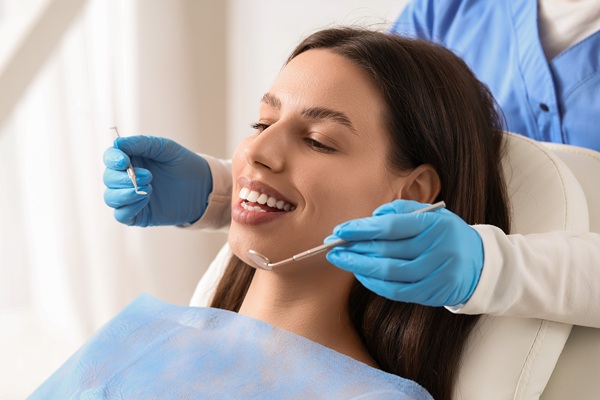
Dental bonding can improve the appearance of chipped, stained, uneven, or slightly gapped teeth, but these restorations may need attention as the smile changes over time. Bonding material blends with natural enamel and supports a more balanced look without extensive tooth preparation. A general, cosmetic, and family dentist can evaluate the condition of existing bonding and recommend whether repair, replacement, or another cosmetic option best supports the smile.
The bonding looks stained or dull
Composite resin can absorb color from coffee, tea, red wine, tobacco, and deeply pigmented foods. Professional cleanings may remove some surface buildup, but they cannot always correct discoloration that develops within the bonding material. When dental bonding no longer matches the surrounding teeth, an upgrade can help restore a brighter and more even appearance.
Natural enamel and composite resin also respond differently to whitening products. Whitening treatment can brighten natural teeth, but it does not change the shade of existing bonding. A dentist may recommend whitening first, then replacing the bonding afterward to achieve a more consistent color match.
Chips or cracks appear in the material
Dental bonding can withstand normal biting forces, but it may chip or crack over time. Biting hard foods, chewing ice, using teeth to open packages, or grinding the teeth can place added pressure on bonded areas. Small chips may feel rough against the tongue or make the tooth look uneven.
A dentist can assess whether the damaged area needs a simple repair or complete replacement. Replacing old dental bonding may improve the tooth’s shape, smooth the surface, and reduce the chance of further damage. A custom night guard may also help protect bonding for patients who clench or grind their teeth during sleep.
The edges feel rough or uneven
Smooth surfaces help teeth look natural and make them easier to keep clean. Over time, bonded edges can wear down, become rough, or lose their original shape. This change may cause the tooth to feel different when the tongue moves across the surface.
Rough bonding can also hold onto plaque and food particles more easily than polished material. A dentist may be able to polish minor texture changes during a routine visit. More noticeable wear may call for upgraded bonding that restores a smoother, more natural contour.
Gaps or uneven spacing have returned
Bonding often helps close small gaps between teeth or create a more uniform smile. However, teeth can shift gradually due to age, bite pressure, missing teeth, or changes in retainer use after orthodontic treatment. As spacing changes, the original bonding may no longer look balanced.
A dentist can examine the bite and tooth alignment before recommending an update. In some cases, new dental bonding can improve the appearance of minor spacing changes. When movement affects several teeth or changes the bite, clear aligners or other orthodontic treatment may provide a more appropriate long-term solution.
The bonded tooth no longer matches the smile
Cosmetic dentistry focuses on how each tooth works with the overall smile. A bonded tooth may no longer match nearby teeth in shape, length, color, or surface texture. This can become more noticeable after natural teeth wear down or after cosmetic changes occur elsewhere in the mouth.
Upgrading bonding allows the dentist to refine the details that influence smile balance. The dentist can adjust the tooth shape, edge position, color, and contour to create a result that complements nearby teeth. Careful planning helps the updated restoration look natural while supporting comfortable biting and speaking.
Signs that call for a dental evaluation
Some concerns may indicate that old bonding needs professional attention. Scheduling a visit helps the dentist determine whether the material remains stable and whether the underlying tooth stays healthy.
- The bonding feels loose, sharp, rough, or uncomfortable
- The color no longer matches the surrounding teeth
- Chips, cracks, or worn edges affect the tooth’s shape
- A gap, stain, or uneven contour has become more noticeable
- The tooth feels sensitive or changes after an injury
These changes do not always mean the bonding requires full replacement, but they should be evaluated by a professional. Early care can help protect the natural tooth and maintain the appearance of the smile.
Maintain results after upgrading dental bonding
Good daily habits can help the new bonding remain attractive and functional. Brushing twice each day, flossing daily, and attending routine cleanings help reduce plaque and staining around the restored tooth. Limiting tobacco use and strongly colored drinks may also help maintain the material’s shade.
Patients should avoid biting hard objects or using their teeth as tools. A dentist may recommend a night guard when clenching or grinding places the bonding under repeated pressure. Regular exams allow the dental team to monitor dental bonding and address small changes before they become more noticeable.
Schedule a cosmetic dental evaluation
Dental bonding can create subtle but meaningful improvements, yet worn, stained, chipped, or uneven material may affect the overall appearance of a smile. A general, cosmetic, and family dentist can determine whether a repair or replacement is best for achieving healthy, natural-looking results. Call our office for more information or to schedule a dental bonding evaluation.
Request an appointment here: https://www.smilesbydesignhuntsville.com or call Smiles by Design, PC at (256) 660-3233 for an appointment in our Huntsville office.
Check out what others are saying about our dental services on Yelp: Dental Bonding in Huntsville, AL.
Related Posts
Dental bonding is a versatile and effective cosmetic dental procedure that addresses a range of aesthetic and functional concerns. By using a tooth-colored resin material, dental bonding can enhance the appearance of teeth, repair minor damage, and restore confidence in a smile. Identifying the signs that indicate a patient may benefit from dental bonding helps…
Dental bonding is one of the most versatile and minimally invasive restorative and cosmetic dental procedures. Dental bonding is the go-to procedure for many patients looking to fix imperfections or enhance their smile, from enhancing the appearance and shape of teeth to repairing damaged enamel. Whether you are new to cosmetic dentistry or considering touch-ups…
General dentists use bonding to help repair damaged teeth. What is bonding, and how is it used to repair teeth? Keep reading for an overview of what bonding is and why it is used as a treatment method. This type of procedure is very useful for many different dental issues. Your dentist will be able to…
Dental bonding is a reversible dental procedure that involves using a composite resin material to rebuild and restore teeth. The composites used can be matched with the color of the patient’s teeth, allowing restorations made with them to blend in.Dental bonding has cosmetic and restorative uses in dentistry. Unlike other popular restorations dentists use, its…