Teeth Whitening: Baking Soda vs. Charcoal
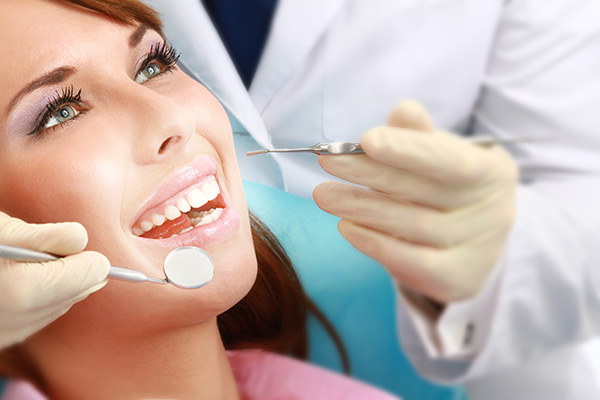
When it comes to teeth whitening, people actually have several viable options. For one, they can visit a dentist to have a process performed. However, individuals can also use home remedies. The question becomes, which of these works better?
At-home teeth whitening — just a wives’ tale?
Most people have heard all kinds of wives’ tales. Perhaps one of those had to do with transforming yellowed teeth. The fact is that there are at-home remedies available. Although these might not whiten teeth as good as what individuals would see with a treatment performed at the dentist’s office, some of them help. Now, people need to know which one reigns supreme.
Why bother with teeth whitening?
There are plenty of reasons why people want white teeth. For one, beautiful teeth make them feel more confident when smiling. That alone helps them let their guard down. A simple boost of self-esteem goes a long way in the workplace, at school and even in relationships. White teeth also make people look more youthful.
Benefits of baking soda
While people use both baking soda and charcoal to achieve white teeth, it is important to learn the facts about each. An advantage of using baking soda is that this is something most people have on hand at home. It also does a decent job at removing stains but only those on the surface. Even so, people need to use some degree of caution when using this as a home teeth whitening remedy.
As a light abrasive compound, brushing with baking soda does help with whitening. The key is not to brush too long or vigorously. Otherwise, an individual could damage the teeth’s enamel. For someone with surface stains, baking soda is a great option. On the other hand, if a person has stains below the surface, this will not make much difference.
A possibility is for someone with yellowed teeth to talk to their dentist about a product that contains baking soda. Some at-home kits do. A dentist can recommend the one that typically produces the whitest teeth. A person can use a toothpaste that contains baking soda or brush using this actual material. Again, use this remedy with caution.
Benefits of charcoal
Activated charcoal is another at-home teeth whitening remedy. With fine, abrasive grains, this too works quite well. It is essential to buy the activated type of charcoal, not the kind people use to grill with outside. The reason is that the activated type contains a variety of other substances. These include peat, slow-burned wood, coconut shells and olive pits. This is where the abrasive capability comes into play.
Along with dental products that contain activated charcoal, an individual can order this substance in pure form. A lot of people claim that charcoal works great for teeth whitening. Especially for stains caused by coffee, tea and wine. However, at this time, no scientific evidence backs that. In fact, many dental professionals advise patients not to use activated charcoal since it might do more harm than good.
Choose wisely
If you want to use a remedy for teeth whitening at home, you should consider baking soda as opposed to charcoal. However, for a remarkable transformation, have a procedure done at your dentist’s office. This treatment is effective. Therefore, consider going that route to achieve a beautiful smile.
Request an appointment here: https://www.smilesbydesignhuntsville.com or call Smiles by Design, PC at (256) 660-3233 for an appointment in our Huntsville office.
Check out what others are saying about our services on Yelp: Read our Yelp reviews.
Related Posts
A root canal is a common dental procedure designed to save an infected or severely decayed tooth. Despite common misconceptions, it is not a painful or complicated procedure. Rather, it is a routine treatment that effectively relieves pain and protects your natural teeth.A root canal is a treatment used to repair and save a tooth…
Veneers are artificial shells placed over natural teeth to conceal damage, such as discoloration or chips. Patients often invest in this type of dental restoration to create whole, even smiles that foster self-confidence. When considering any treatments to improve a smile, many patients want solutions that last. For many patients, veneers can offer a long-lasting…
Veneers can improve a patient’s smile in many ways by covering up imperfections in teeth with natural-colored shells. Staining on front teeth is one of the most popular reasons patients choose this type of restoration. People who have lived with discolored teeth can feel uncomfortable smiling in public, and other treatment options may not be…
Considering dental implants? Read on to learn about the process from an implant dentist. Bone growth and healing are essential parts of the implant dentistry process. It can take time for the bone to grow and heal around the implant after it has been placed, so understanding what to expect and how long it typically…