What to Do When You Have a Broken Tooth
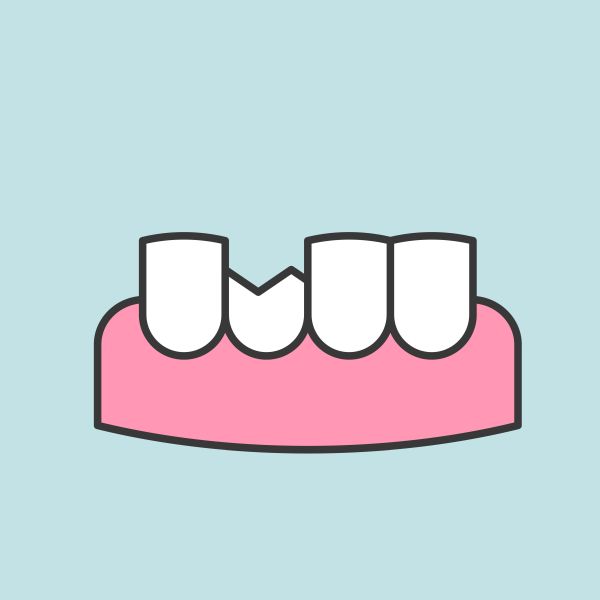
A broken tooth is quite frustrating, especially if it involves one of the front teeth. If you are dealing with this problem, you might feel embarrassed. Although the situation may be overwhelming at the time, you can relax knowing a dentist can help. Sometimes, the fix is minor. Other times, you might need to have a crown put on.
What defines a broken tooth?
A broken tooth can consist of many different things. This might entail a significant portion of the tooth completely breaking off. It could also be a crack. Then, there is a condition called cracked tooth syndrome. In this case, a tooth breaks but without the person having a cavity or advanced gum disease.
Typical causes
A tooth breaks for many reasons. One of the most common causes is biting down on something hard. However, getting hit in the mouth while playing sports, grinding the teeth while sleeping and trauma caused by a car accident or fall are additional possibilities. Weakened teeth put a person at a greater risk of breaking a tooth.
Weakened teeth are more prone to breaking. Things like grinding and decay can compromise the enamel, which can lead to a broken tooth. Other risk factors include consuming a significant amount of acidic foods and beverages, alcohol and drug abuse and even acid reflux. Excessive sugar is also bad because it produces bacteria inside the mouth that can eat the enamel.
Treatments for a broken tooth
For someone who has a piece of the tooth breaking off, there are some specific steps to follow. If the break is severe and causing a lot of pain, the individual should contact the dentist right way. If the incident happens after normal business hours, during the weekend or on a holiday, they can turn to an emergency dental clinic. Otherwise, this process will help.
- Rinse the mouth with warm water
- Apply pressure to the broken tooth using a piece of clean gauze to stop any bleeding
- Apply an ice pack to the area of the face where the break occurred to reduce swelling and ease the pain
- Place dental or wax over the broken tooth to prevent air from reaching it
- Put the part of the broken tooth that fell out in a zippered plastic bag with a small amount of milk — this serves as a good medium to prevent the root from dying
What to expect at the dentist’s office
After arriving at the dental clinic, the dentist will determine the extent of the damage. Based on the findings, they will recommend the appropriate treatment. If the patient saved the piece that broke off, there is a chance of bonding it back on. If the broken tooth consists of a minor piece of enamel coming off, the dentist could use either bonding or add a new filling.
For a more serious broken tooth, the dentist might suggest placing a crown over it to protect the remaining piece. However, if there is root exposure, the dentist might refer the patient to an endodontist. That dental professional would perform a root canal. This entails removing the pulp inside the tooth along with any debris. Also, the endodontist reshapes the root canal. When completed, a crown goes on top of the tooth.
Seeking quick treatment
The success in fixing a broken tooth depends largely on how quickly you can see a dentist. Even if the break is minor, the sooner you get treatment, the better. By waiting, you put your tooth and health at risk. For instance, debris could cause an infection, which could spread to other parts of the body through the bloodstream. As soon as you break a tooth, contact your dentist.
Request an appointment here: https://www.smilesbydesignhuntsville.com or call Smiles by Design, PC at (256) 660-3233 for an appointment in our Huntsville office.
Check out what others are saying about our services on Yelp: Read our Yelp reviews.
Related Posts
Veneers can improve a patient’s smile in many ways by covering up imperfections in teeth with natural-colored shells. Staining on front teeth is one of the most popular reasons patients choose this type of restoration. People who have lived with discolored teeth can feel uncomfortable smiling in public, and other treatment options may not be…
Considering dental implants? Read on to learn about the process from an implant dentist. Bone growth and healing are essential parts of the implant dentistry process. It can take time for the bone to grow and heal around the implant after it has been placed, so understanding what to expect and how long it typically…
There are numerous cosmetic procedures to improve someone’s smile, and veneers are a popular option. There are two types of veneers: Porcelain and composite. Both are used for minor cosmetic issues such as discolored teeth, cracks or chips, gaps between teeth, and worn-down enamel.Porcelain is used more often as there are numerous benefits, but this…
Having a beautiful smile is crucial for many people. However, not everyone is pleased with their smile. Veneers are a wonderful treatment option that can be used to help improve the appearance of teeth. These thin, tooth-colored shells are typically made out of porcelain and cover the entire surface of the tooth.Veneers are customized and…